
Lighting is one of the most critical components in photography. Whether you’re capturing portraits, landscapes, products, or street scenes, the way light interacts with your subject can define the mood, texture, and overall quality of your images. Mastering light techniques in photography is essential for photographers at all levels.
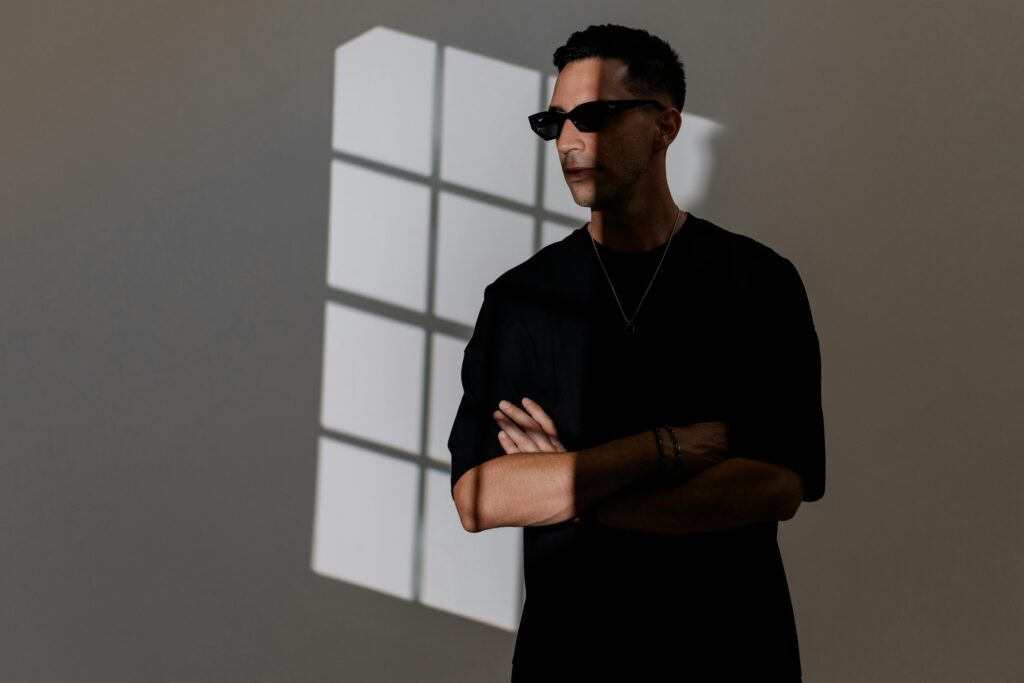
Here are the top 10 light techniques every photographer should know to create compelling and professional-quality photographs:
1. Natural Light Photography: A Foundational Light Technique in Photography
Natural light—sunlight or ambient outdoor light—is a powerful and versatile lighting source. It changes throughout the day and varies in color temperature, creating opportunities for different effects.
Tip: Shoot during the golden hour (shortly after sunrise or before sunset) for soft, warm tones and long shadows.
2. Backlighting
Backlighting occurs when the light source is behind the subject. This technique creates a dramatic silhouette or glow around the subject, depending on how you expose the image.
Use it for: Portraits with a halo effect or creating depth in outdoor shots.
3. Rembrandt Lighting
A classic portrait lighting technique named after the painter Rembrandt. It’s achieved by placing one light source at a 45-degree angle from the subject, creating a triangle of light on the shadowed cheek.
Best for: Professional headshots and dramatic portraits.
4. Split Lighting
In split lighting, the light hits one side of the subject while the other remains in shadow. This technique creates a high-contrast, moody effect.
Common uses: Artistic or dramatic portraiture.
5. Butterfly Lighting
Named for the butterfly-shaped shadow created under the nose, this technique uses a light source placed directly in front and above the subject’s face.
Ideal for: Glamour and beauty shots.
6. Soft Lighting
Soft lighting diffuses light evenly, minimizing harsh shadows. It’s commonly used in portrait, fashion, and product photography to flatter subjects.
How to achieve it: Use softboxes, diffusers, or overcast skies.
7. Hard Lighting
Hard lighting creates stark shadows and high contrast, adding drama and texture. It’s typically achieved using undiffused light sources like direct sunlight or bare bulbs.
Use it for: Emphasizing texture or creating bold, edgy images.
8. Fill Light Technique
A fill light is used to reduce shadows caused by the main (key) light. It helps balance exposure and bring out details in darker areas.
Pro tip: Use a reflector or a lower-intensity light source on the shadow side.
9. High-Key Lighting
This technique involves using bright lights and minimal shadows, resulting in images with an airy, upbeat mood.
Popular in: Commercial, fashion, and newborn photography.
10. Low-Key Lighting
In contrast to high-key, low-key lighting uses minimal light and emphasizes shadows to create depth and mood.
Perfect for: Cinematic portraits, fine art, and dramatic scenes.
Conclusion
Understanding and applying these light techniques in photography will dramatically improve your ability to control mood, depth, and storytelling in your images. Experiment with each method and observe how different lighting setups change the feel of your photos.
Lighting isn’t just about illumination—it’s a storytelling tool. Learn to master it, and you’ll elevate every frame you shoot.
Learn more about photography poses for amazing photos- Top 20 Modeling Photography Poses Every Model Should Know